The Yellow of the Lemons in Central Irpinia
During my college years, I was fortunate enough to spend time with Pierpaolo Bellini (known as Widmer, author of the book about Enzo titled “Amico Carissimo”), who had a habit—and above all, an ambition—to help us delve into life’s most pressing issues through literature and classical music. I remember that during one of my first years in medical school, he introduced us to Montale by reading us the poem “I Limoni,” dwelling on the concept of the “half-closed door” as a possibility that reality always holds—to allow us to enjoy, in our often all-too-gray lives, the beauty of the yellow of lemons, capable of warming the heart.
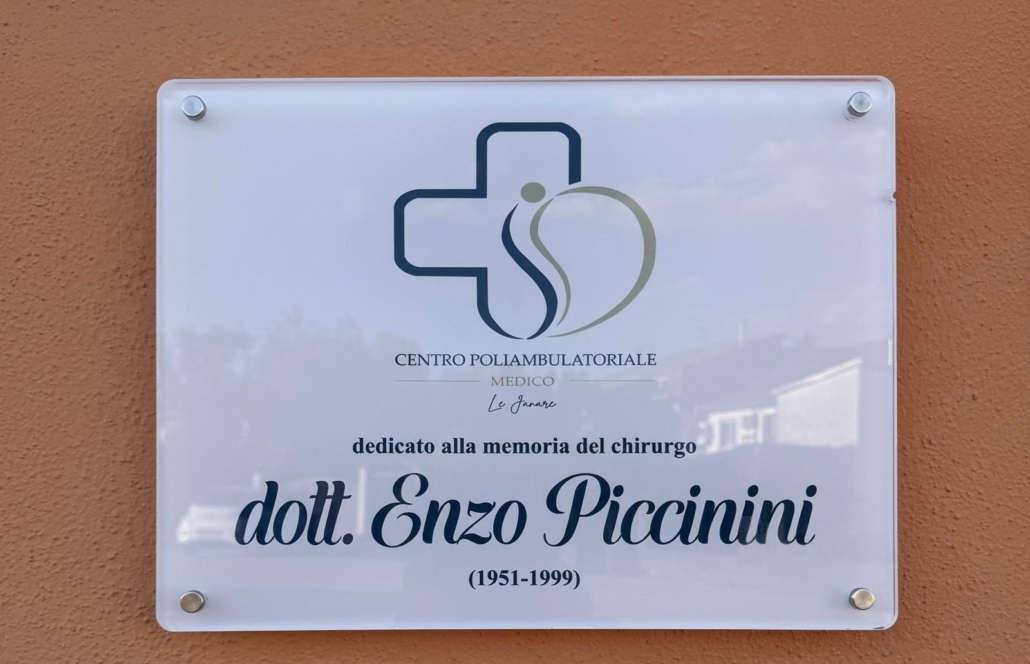
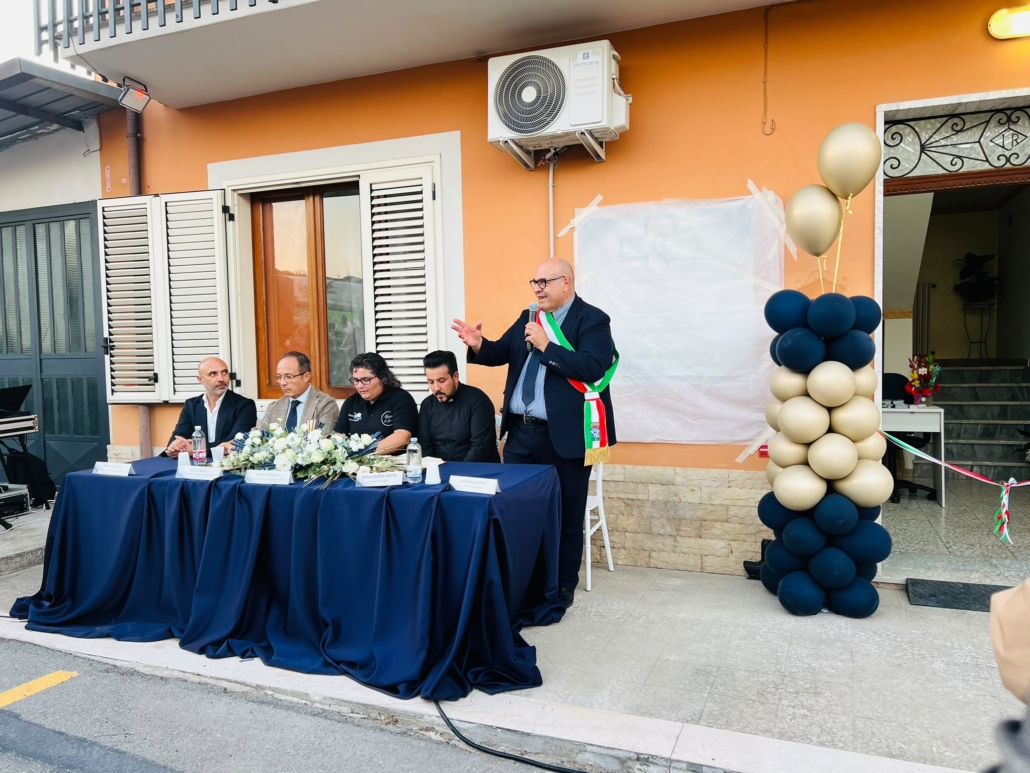
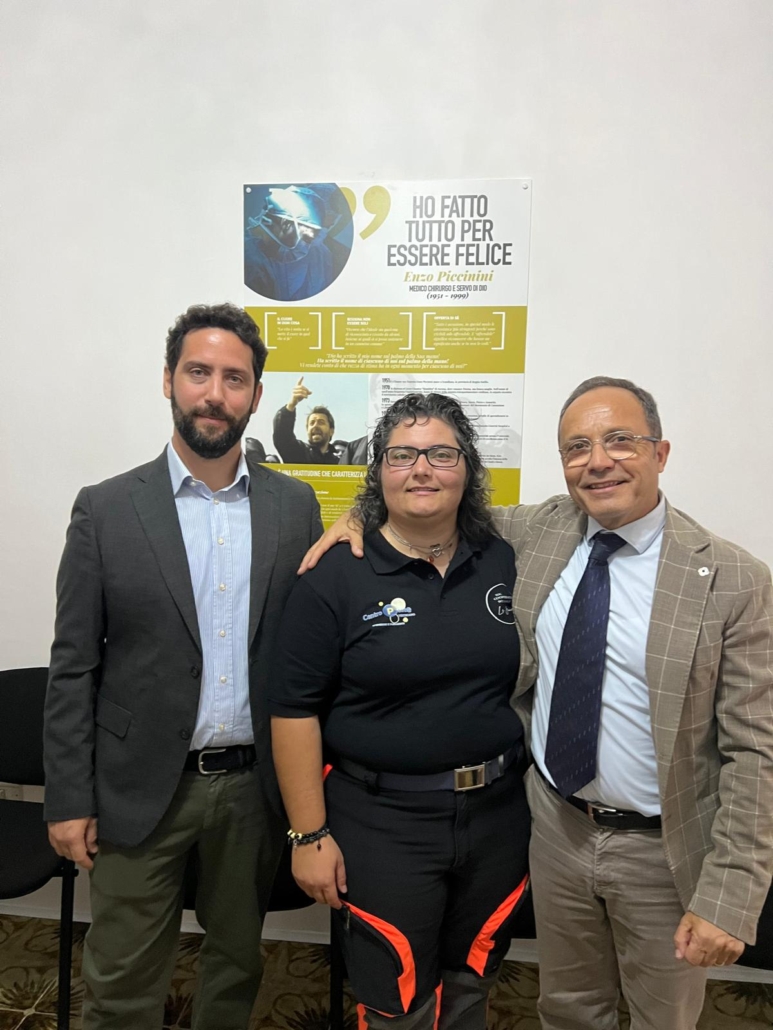
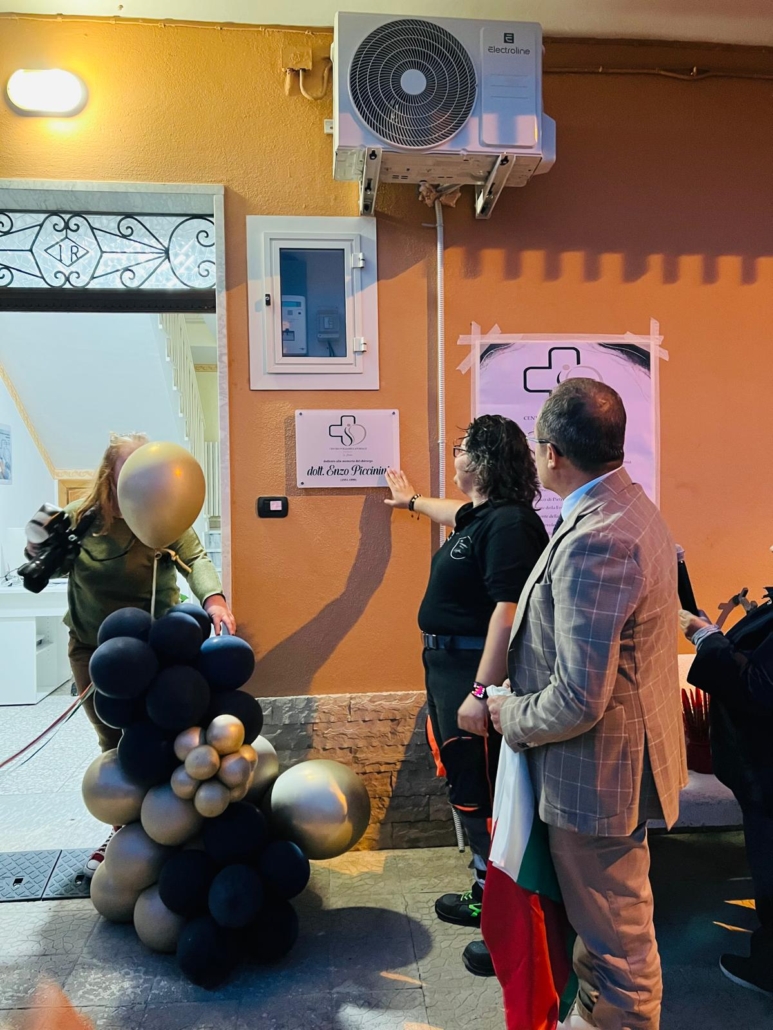
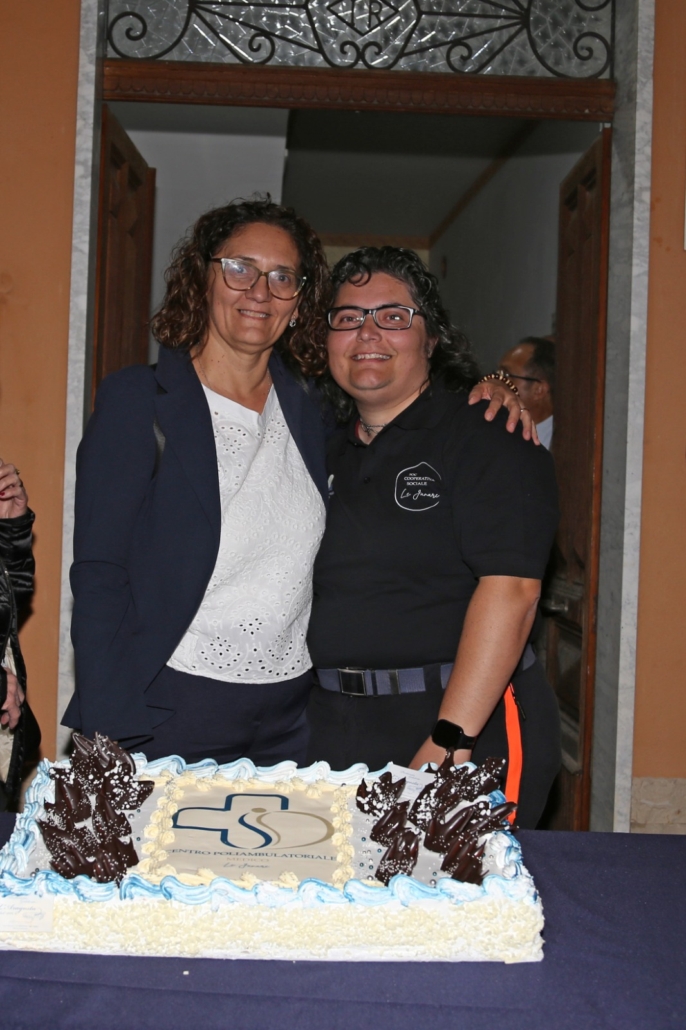
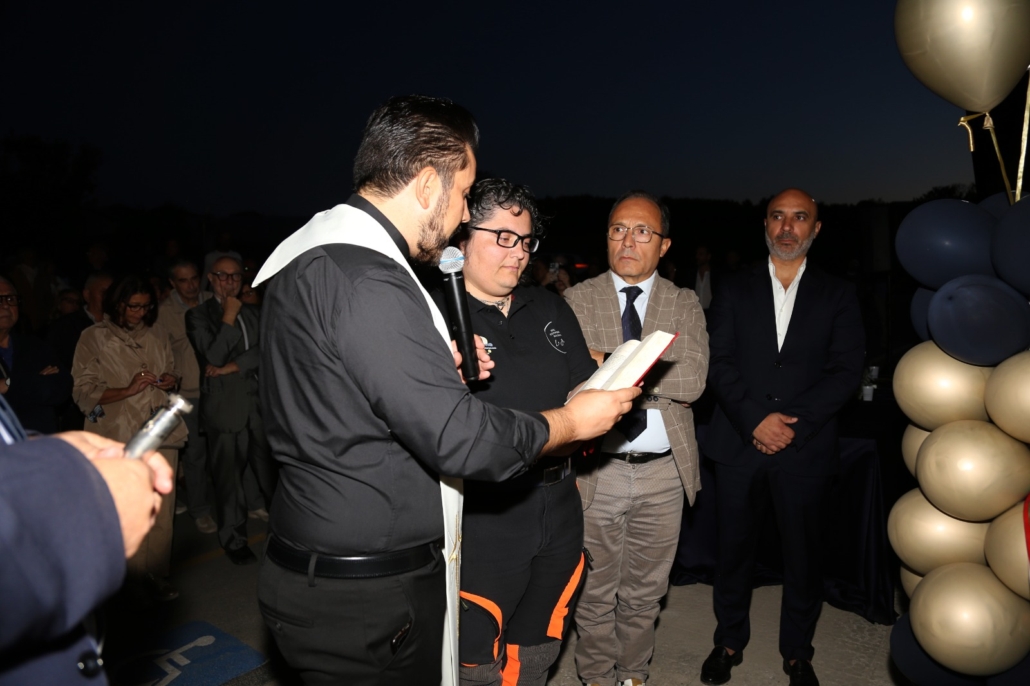
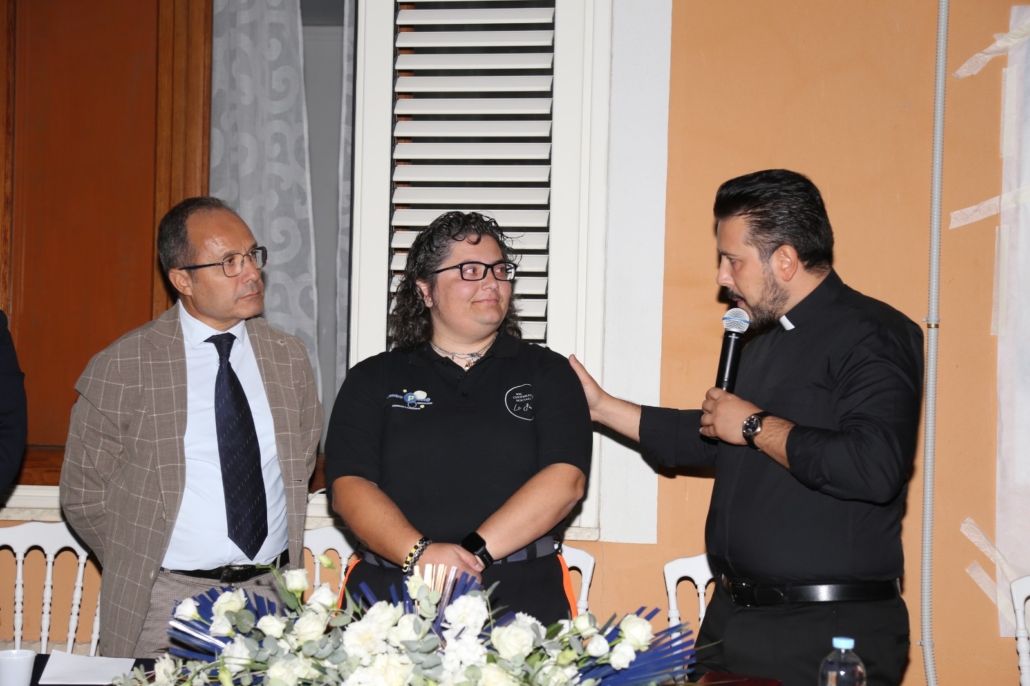
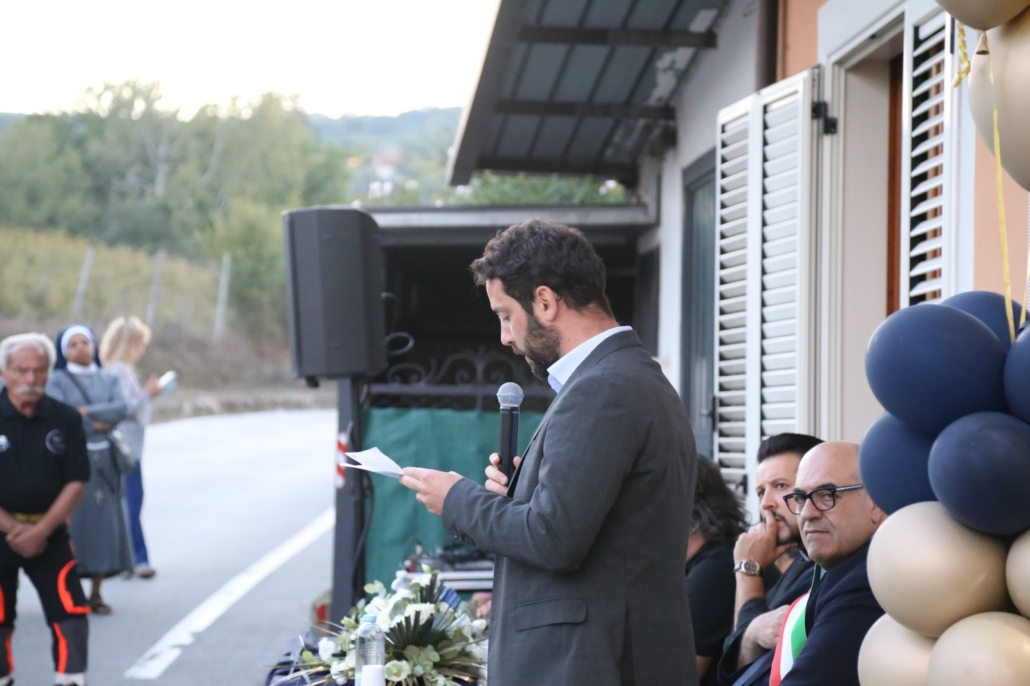
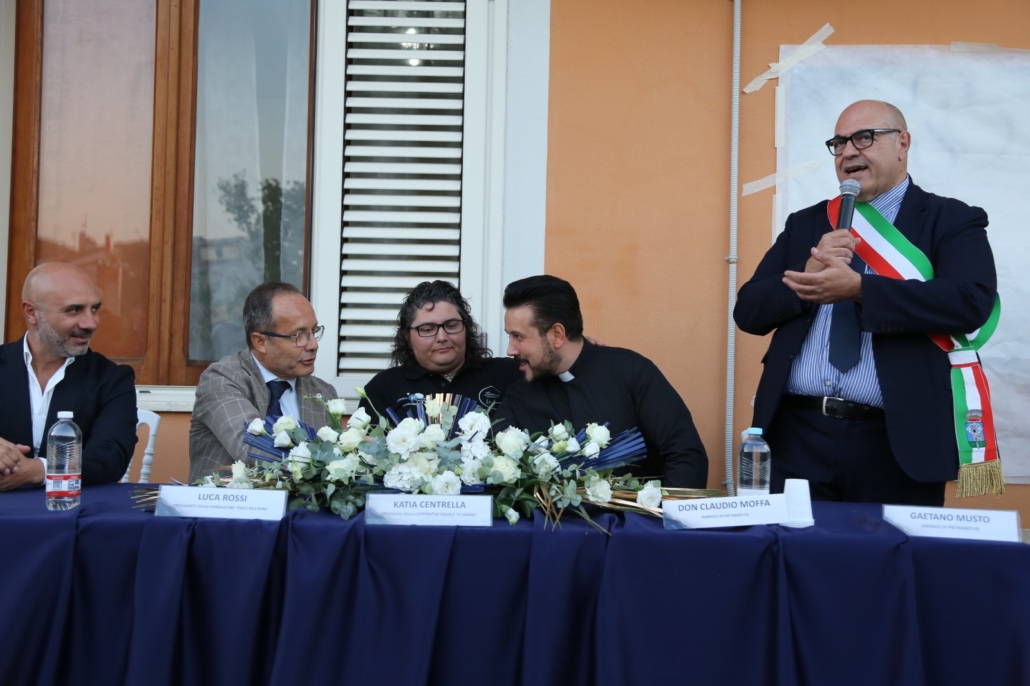
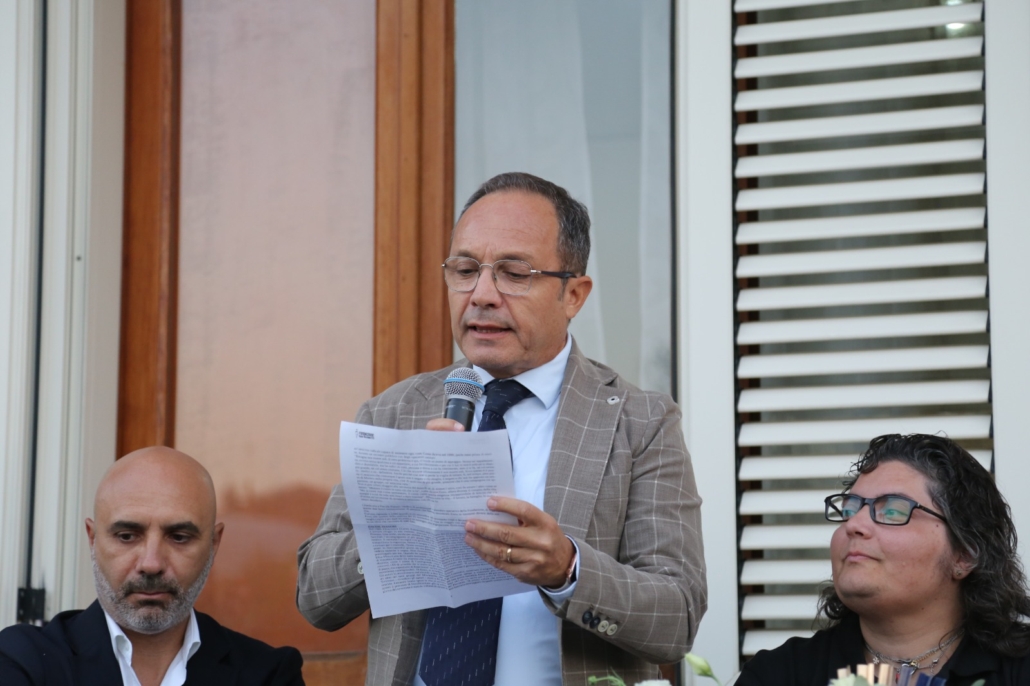
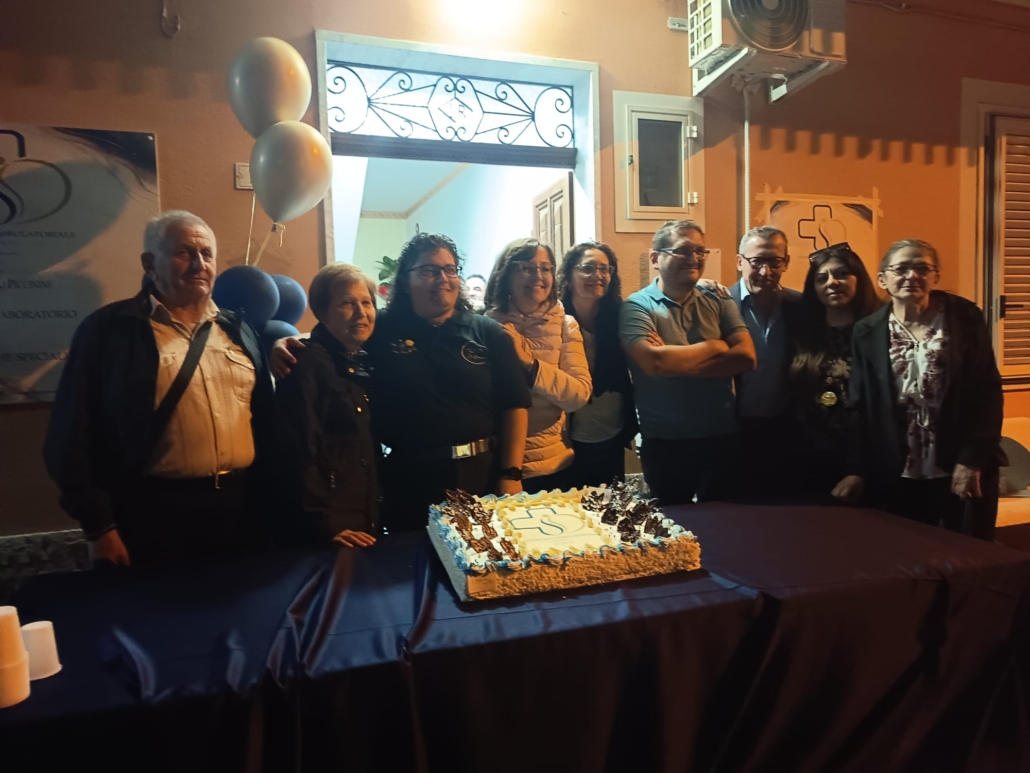
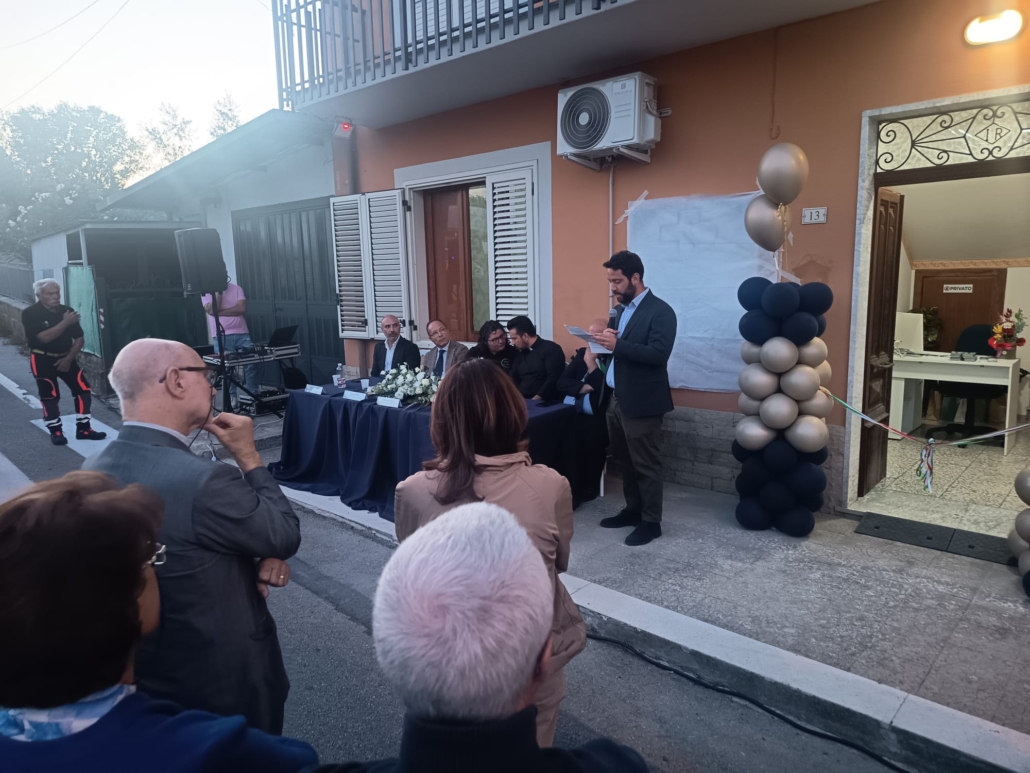
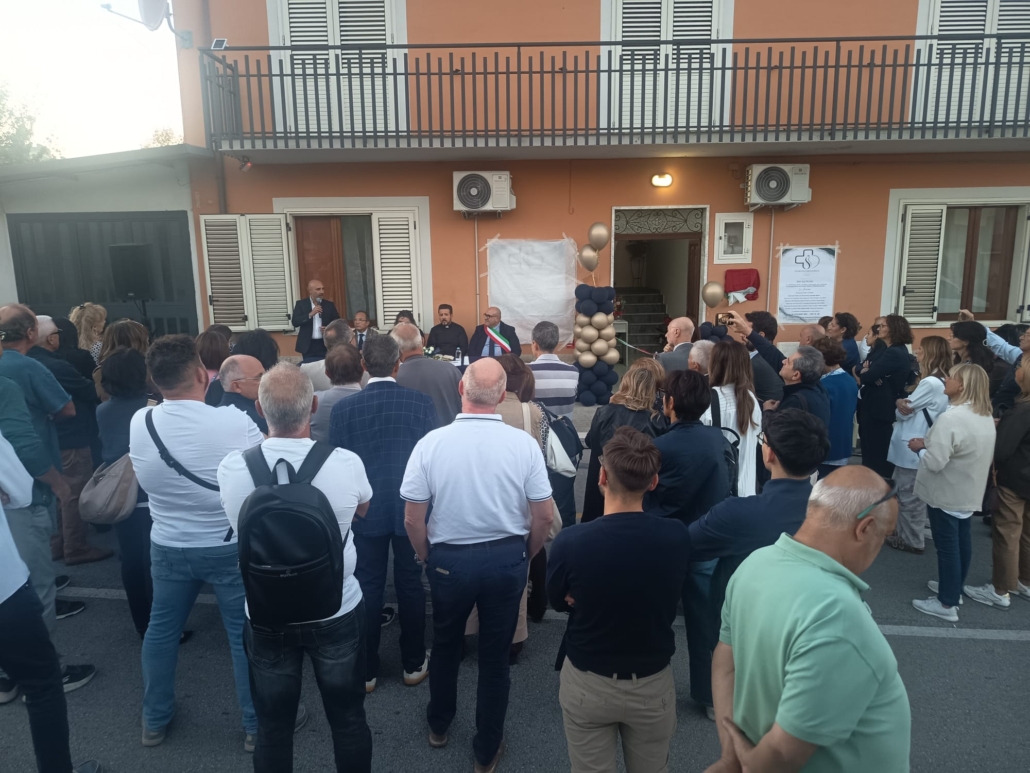
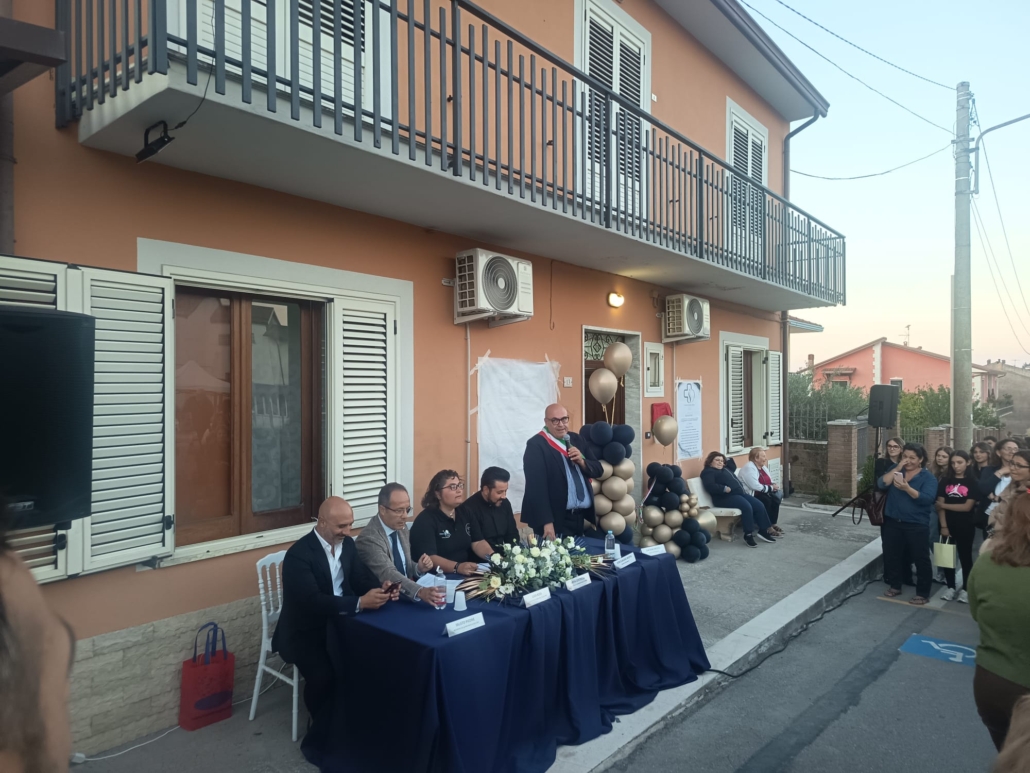
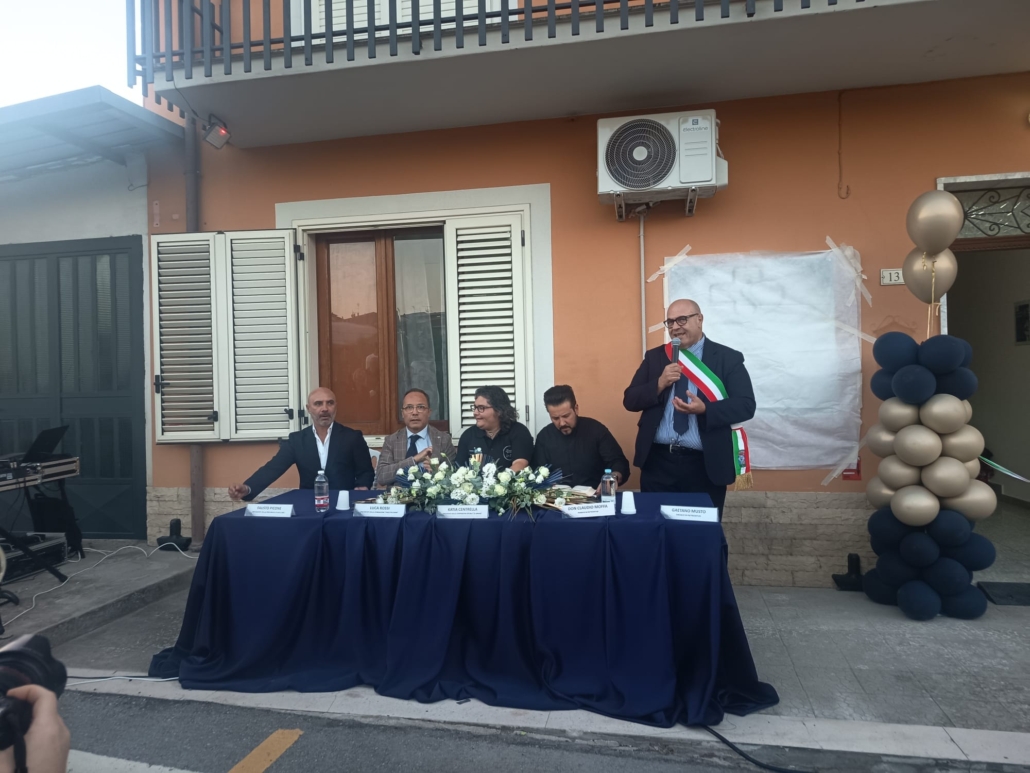
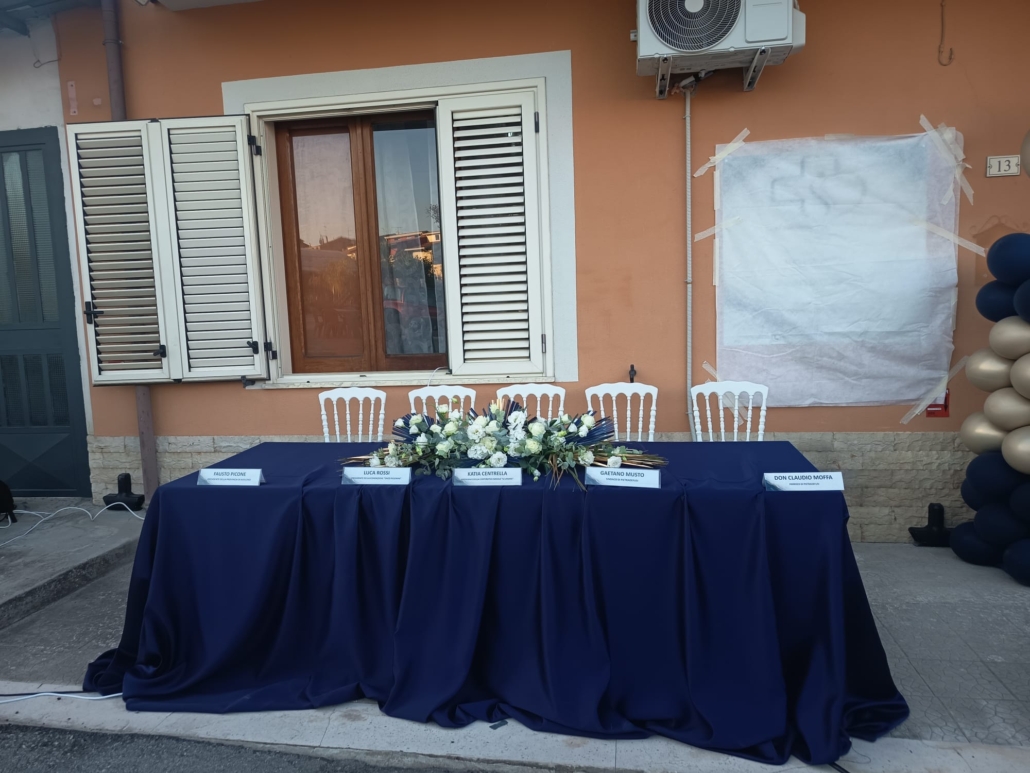
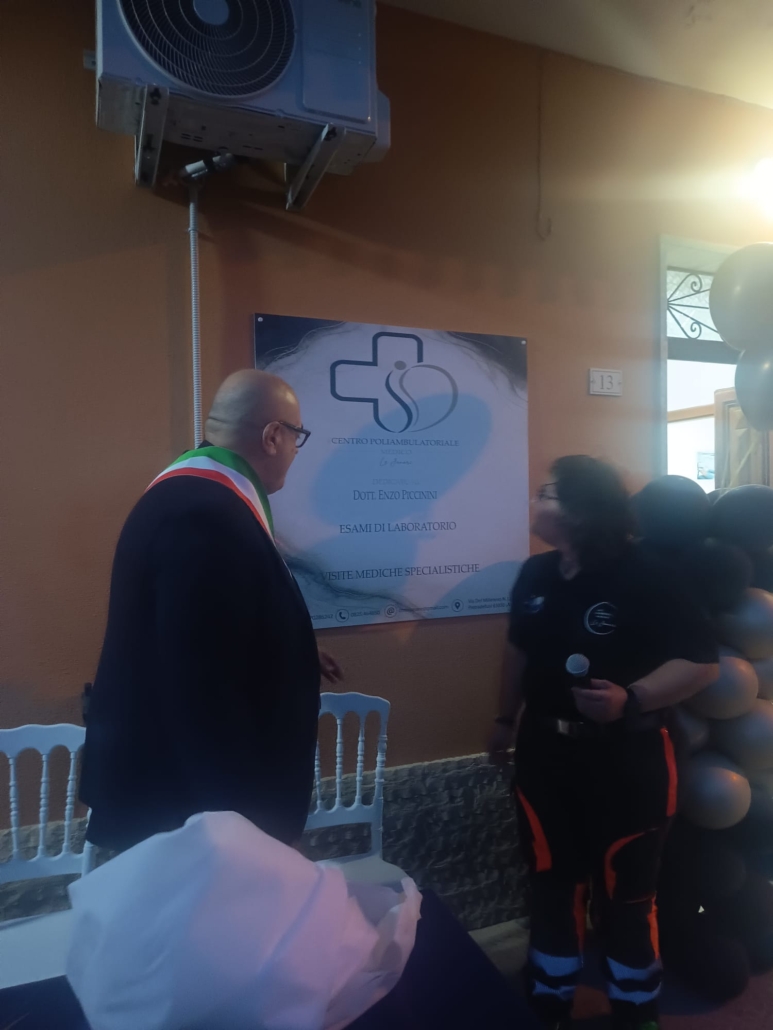
On Saturday, October 3, I had the same distinct impression as I traveled into the Irpinia region with Luca Rossi (President of the Enzo Piccinini Foundation) and Gerardo Capriglione (a native of Irpinia who has called Modena home since the late 1970s), heading toward Pietradefusi near Avellino. We were drawn there by the wish of a local woman who had recently come across the story of Enzo Piccinini: Katia Centrella, Pietradefusi’s councilor for welfare and President of the “Le Janare” cooperative, had in fact proposed to the Foundation that the health clinic the cooperative was opening be dedicated to Enzo Piccinini. In her letter of motivation and in her speech at the inauguration, Katia recounted how her life—marked by an illness that had taken her all the way to the S. Orsola Hospital in Bologna—was transformed by her encounter with Enzo Piccinini.
In the attached letter, she writes:
“My encounter with Enzo marked a profound turning point in the way I view life. It wasn’t simply a matter of discovering the life story of an extraordinary doctor, but of stumbling upon a radical and vibrant way of understanding everyday life. Before meeting him, I often tended to compartmentalize the different areas of my life: duty from desire, work from personal relationships, and everyday tasks from the search for a greater meaning. Dr. Enzo Piccinini literally shattered this fragmentation. He showed me that no moment is trivial or devoid of value: whether it’s treating a patient, driving through the night to visit a friend, or spending an evening with friends, everything can be infused with absolute passion—a desire for wholeness that won’t settle for half-measures. From him I learned that faith and ideals are not abstract concepts to be relegated to one’s free time, but a fire that must burn within concrete reality, confronting fatigue, pain, and contradictions without ever backing down.”
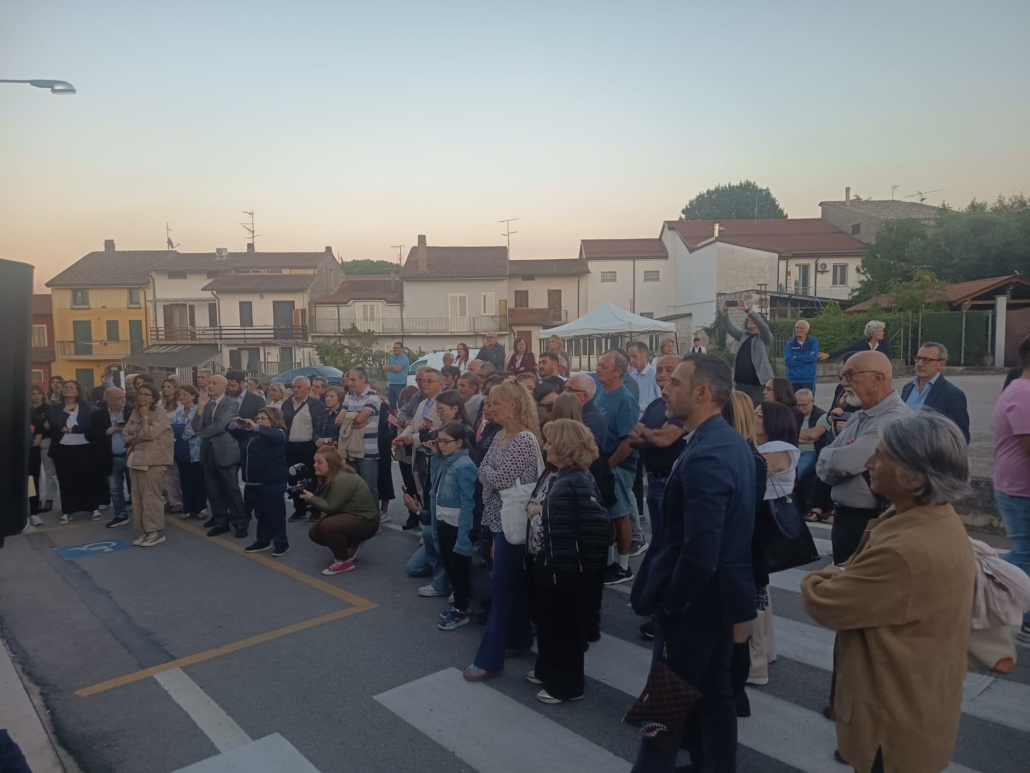
Her meeting with Enzo—which came about through an encounter with some friends from the CL community in Irpinia—not only sparked in her the desire to dedicate the health clinic but also led to an extraordinary event in Pietradefusi, a town of 1,600 residents in the province of Avellino. On the afternoon of Saturday, October 3, not only the town’s residents but also many friends from CL communities across various regions of Italy gathered for the clinic’s inauguration. They wanted to see firsthand how, even after so many years, Enzo continues his tireless work of reaching out to people and touching their hearts. A friend who came from Calabria told us: “They invited us, saying there would be an event… and we wanted to see if it was true!”
In Luca Rossi’s talk—which you’ll find attached and which also includes two testimonies, one of which documents Enzo’s presence in those places immediately after the 1980 Irpinia earthquake—this very point emerges: For Enzo, it was the Christian Event—through his encounter with and relationship to Fr. Giussani—that shaped his entire life, creating a new possibility for living every aspect of existence with intensity.
Don Giussani’s message to the CL Fraternity upon his death is titled “Father Because He Was So Deeply the Son.” It was Enzo’s awareness of being a son that gave rise, through him, to a story made up of people and events that continues over time. And what I witnessed on Saturday was precisely the presence of a Father who is so generative and creative that he gave us an extraordinary encounter with a woman whose life has been radically transformed. In fact, it was a succession of encounters and conversations with citizens, the local officials who had come for the inauguration, the parish priest, and friends from the CL community—during which it was evident that what drew people in was not exclusively Enzo himself, but rather that to which he had given his life.
For me, seeing this dynamic at work in a “strange” and distant place—where an otherwise inexplicable sense of familiarity developed with the people we met—was a great gift. An “undeserved” and unearned gift, one that required nothing more than simply observing and enjoying it, without having to add anything.
To paraphrase Montale’s poem, all it took was to step out onto that “half-open doorway” to discover the yellow of the lemons and enjoy, with gratitude, the creative spectacle of their presence.
(…)
But the illusion fades, and time carries us back
to the noisy cities where the blue sky appears
only in fragments, high above, among the cornices.
The rain wears down the earth, and then; the tedium
of winter weighs heavily on the houses,
the light grows sparse – the soul grows bitter.
When one day, through a half-closed gate
among the trees of a courtyard,
the yellows of the lemons reveal themselves to us;
and the frost in our hearts melts away,
and in our chests resound
their songs
the golden trumpets of sunshine.
(…)
Davide Pianori, doctor and collaborator with the Enzo Piccinini Foundation